
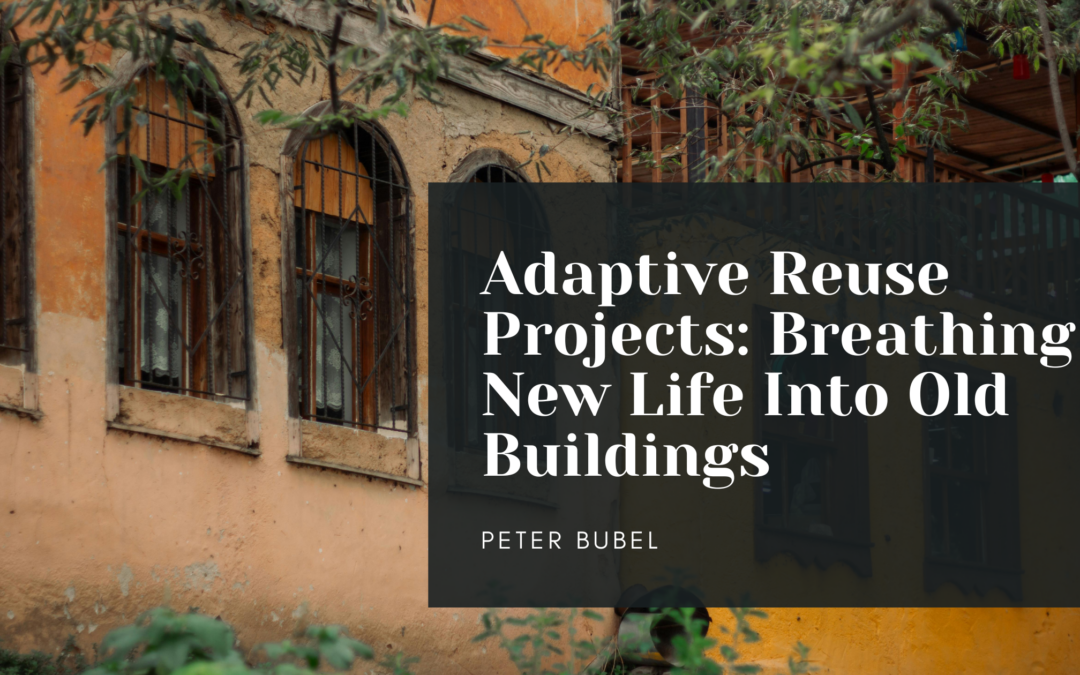
Across cities in the United States and around the world, a growing trend is reshaping skylines and revitalizing neighborhoods—adaptive reuse. Rather than tearing down aging structures, developers, architects, and communities are breathing new life into old buildings, transforming them into vibrant spaces with renewed purpose. From industrial warehouses turned into loft apartments to historic churches converted into coworking spaces, adaptive reuse projects are proving to be both economically and environmentally smart.
At its core, adaptive reuse is about reimagining existing buildings for new uses while preserving their architectural integrity. It’s not simply renovation; it’s a thoughtful transformation that honors a building’s past while equipping it for the future. This approach allows communities to retain their historical character, reduce construction waste, and save on resources and costs compared to ground-up development.
One of the primary drivers behind the rise in adaptive reuse is sustainability. In an age where environmental impact is top of mind, adaptive reuse offers a compelling solution. Demolishing old buildings generates vast amounts of waste, and new construction consumes energy-intensive materials like concrete and steel. Reusing existing structures dramatically reduces the carbon footprint associated with new development. It also supports sustainable urban density by making use of locations already served by infrastructure, transit, and utilities.
Preserving cultural heritage is another powerful motivator. Many older buildings feature architectural details, craftsmanship, and design elements that are rare in contemporary construction. By repurposing these spaces, cities maintain a sense of continuity and character that newer buildings often lack. This can enhance tourism, civic pride, and community engagement, particularly when iconic structures are given modern relevance.
Adaptive reuse also offers economic benefits. In many cases, repurposing an old building can be more cost-effective than starting from scratch, especially when the structure is sound and located in a desirable area. Developers often take advantage of tax incentives, historic preservation grants, and zoning flexibility designed to encourage reuse. These financial advantages can offset higher upfront costs related to retrofitting or compliance with modern codes.
The uses for adaptively reused buildings are as varied as the structures themselves. Former factories become art studios, schools become apartment complexes, and post offices become boutique hotels. One famous example is the High Line in New York City, where an elevated freight rail line was transformed into a public park, spurring an entire district’s renewal. In Detroit, abandoned auto plants have found new life as innovation hubs and small business incubators, helping fuel a broader urban comeback.
As cities evolve, adaptive reuse helps meet shifting needs. For example, with many downtown office buildings sitting vacant after the rise of remote work, some developers are converting these spaces into residential units. The trend reflects a changing demand for housing in urban centers and a desire for walkable, mixed-use neighborhoods. By retrofitting outdated office towers into modern apartments or condominiums, cities can address housing shortages while reducing the need for sprawl.
However, adaptive reuse comes with challenges. Older buildings often require extensive upgrades to meet current safety codes, accessibility standards, and energy efficiency goals. Plumbing, electrical, HVAC, and structural systems may all need replacement or reinforcement. Additionally, developers must navigate preservation requirements that limit the extent of modifications, particularly if the building has historical designation.
Community involvement plays a critical role in the success of adaptive reuse projects. Public support, feedback, and collaboration with local stakeholders can help ensure that developments align with neighborhood needs and values. When done thoughtfully, adaptive reuse can enhance urban life without displacing long-term residents or eroding local identity. The best projects act as bridges between past and present, blending tradition with innovation.
Design creativity is key. Adaptive reuse calls on architects and planners to solve complex spatial and functional problems within the constraints of an existing shell. The result is often more dynamic and visually interesting than new construction. High ceilings, exposed brick, large windows, and unique layouts give adaptively reused buildings a distinctive charm that appeals to modern tastes, especially among millennials and Gen Z.
Looking ahead, adaptive reuse is likely to become even more common. Rising construction costs, climate goals, and a growing appreciation for walkable, character-rich neighborhoods are all converging to make reuse not just a trend but a cornerstone of urban planning. Cities like Los Angeles, Portland, and Philadelphia have created special zoning overlays and streamlined permitting processes to encourage these projects, recognizing their role in sustainable development.
Adaptive reuse is more than a real estate strategy—it’s a philosophy of building with respect for what came before and with purpose for what’s ahead. In every reclaimed warehouse, renovated schoolhouse, or restored theater, there’s a story being preserved and retold. As we look to the future of cities, these stories help define a more connected, resilient, and inspired urban landscape.