
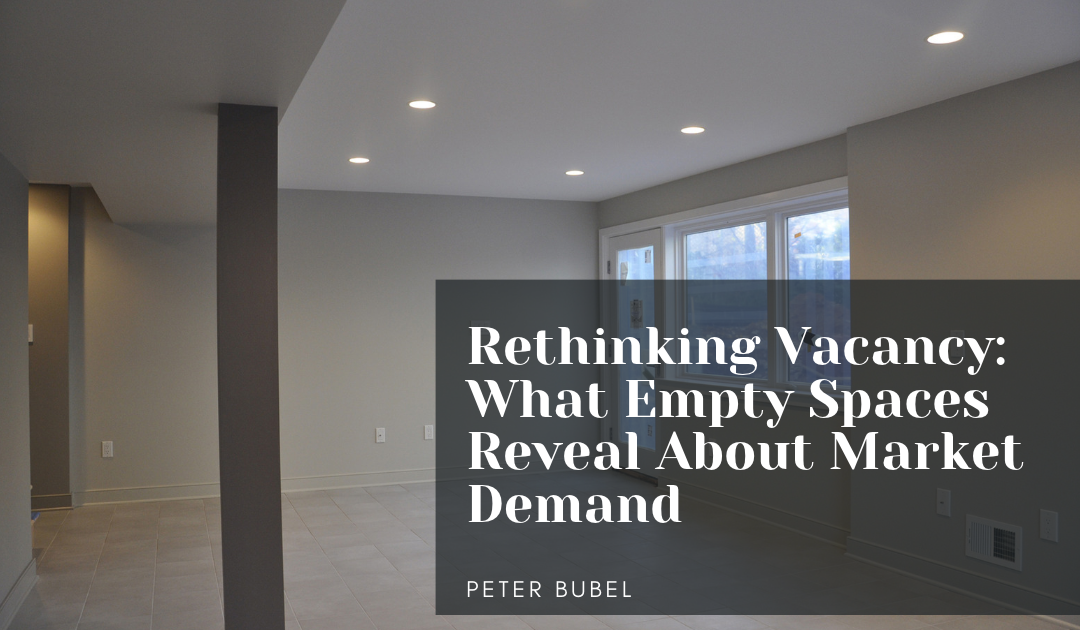
Vacant properties are often viewed as a sign of poor performance, lost rental income, or ineffective property management. However, empty spaces can reveal much more than financial losses. They can provide valuable insights into changing tenant preferences, local market conditions, pricing strategies, and opportunities for property improvement.
For property owners, investors, and real estate managers, understanding the reasons behind vacancy is essential for making informed decisions. Instead of treating empty spaces as a problem to solve quickly, businesses should view them as signals that can help shape a more effective real estate strategy.
1. Vacancy Is More Than a Financial Challenge
When a property remains unoccupied, the immediate concern is usually lost rental income. Meanwhile, owners must continue paying expenses such as maintenance, utilities, security, insurance, and other operating costs.
However, focusing only on these financial losses can prevent property owners from identifying the actual cause of vacancy. An empty office may indicate that its rental price is too high, while an unoccupied retail unit might reflect limited foot traffic or changing consumer behavior.
Similarly, residential properties may remain vacant because of outdated facilities, inconvenient layouts, or insufficient access to essential services.
Understanding these differences is important because each situation requires a different solution. Reducing rent may help one property attract tenants, while another may benefit more from targeted renovations or improved marketing.
2. Empty Spaces Reveal Changing Market Preferences
Real estate demand is constantly evolving. Businesses may seek flexible office arrangements, residents may prioritize connectivity and convenience, and retailers may prefer locations that offer better visibility and customer access.
Properties that fail to adapt to these expectations can struggle to attract tenants, even in otherwise active markets.
For example, an office building designed around traditional work patterns may find it difficult to compete with spaces offering modern collaboration areas, reliable digital infrastructure, and flexible leasing options. Similarly, retail spaces may lose appeal when customer traffic shifts toward different commercial areas.
Property owners should regularly evaluate what prospective tenants value most. Reviewing tenant inquiries, collecting feedback, monitoring competing properties, and studying local development trends can help identify the features that influence leasing decisions.
3. Pricing and Positioning Can Influence Vacancy
A property may offer attractive facilities and a convenient location but still experience prolonged vacancy if its rental expectations do not match market conditions.
Rental pricing should reflect factors such as location, property condition, available amenities, comparable rents, and current tenant demand. Setting prices based only on previous rental agreements or expected returns can make a property less competitive.
Positioning also matters. A commercial space designed for one type of business may attract more interest when marketed to a wider range of suitable tenants. Likewise, highlighting accessibility, energy efficiency, flexible layouts, or available parking can help distinguish a property from competing options.
Rather than relying on assumptions, owners should use market comparisons and leasing data to determine whether pricing and positioning align with actual demand.
4. Use Vacancy Data to Identify Opportunities
Vacancy patterns can help property managers make better long-term decisions. Tracking how long units remain empty, which spaces attract inquiries, and why prospective tenants decline offers can reveal recurring issues.
For instance, if similar units consistently remain vacant, the problem may involve their layout, pricing, or overall suitability for the target market. If tenants leave shortly after their leases expire, service quality or changing tenant requirements may deserve closer attention.
This information can guide practical improvements, including renovating specific areas, adjusting leasing terms, upgrading facilities, or exploring alternative uses where permitted.
Data-driven decisions also help owners avoid unnecessary spending by directing investment toward improvements that address demonstrated market needs.
5. Turn Vacant Properties Into Strategic Assets
Not every vacant space needs to be leased immediately under the existing arrangement. Depending on location, regulations, building design, and market demand, owners may explore opportunities such as flexible workspaces, shared facilities, temporary commercial uses, or alternative property configurations.
These options require careful feasibility assessments, including renovation costs, legal requirements, operating expenses, and expected returns.
In some cases, a short period of vacancy may provide an opportunity to upgrade a property and improve its long-term competitiveness. The key is to ensure that any decision is based on realistic demand rather than speculation.
Conclusion
Vacancy is not simply an indicator of lost income. It can reveal important information about market demand, tenant expectations, pricing decisions, and the overall suitability of a property.
By examining why spaces remain empty, property owners and managers can identify weaknesses, recognize emerging opportunities, and make more informed investment decisions.
Ultimately, successful real estate management involves understanding what the market needs and ensuring that properties continue to meet those expectations. When vacancy is treated as a source of insight rather than merely a financial setback, empty spaces can become the starting point for smarter planning and stronger long-term performance.