
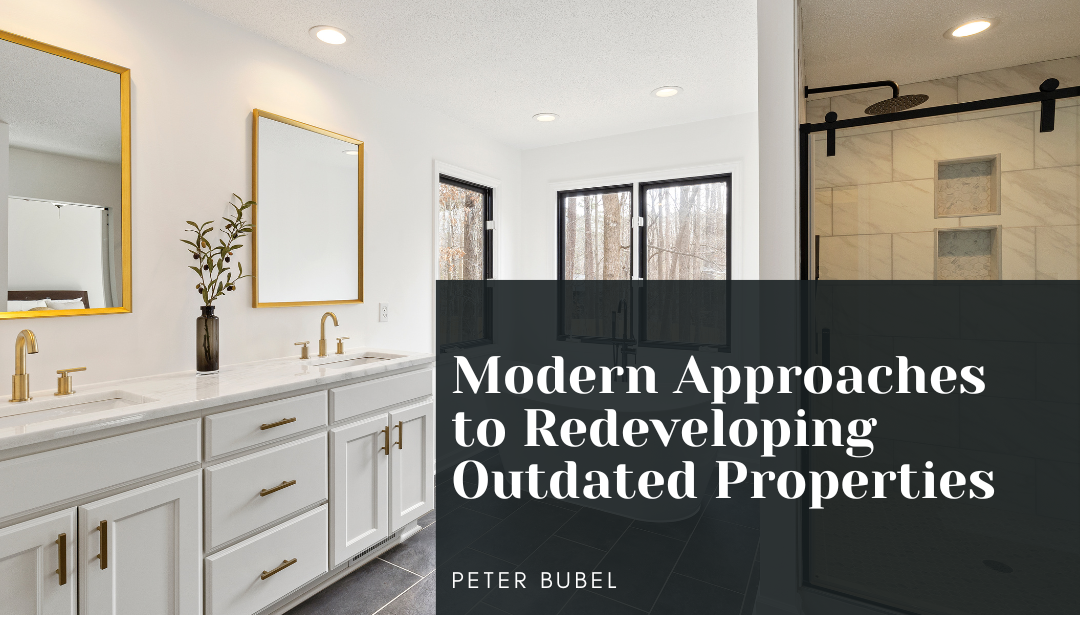
The real estate industry is constantly evolving, and property owners are increasingly recognizing the value of redeveloping outdated properties rather than starting from scratch. Aging buildings often occupy prime locations and possess structural features that can be transformed to meet modern market demands. Through innovative redevelopment strategies, investors and property managers can breathe new life into underperforming assets, increase property values, and create spaces that better serve communities.
Modern redevelopment goes beyond simple renovations. It involves strategic planning, sustainable design, and the integration of new technologies to maximize both functionality and profitability. As cities continue to grow and change, redeveloping existing properties has become an essential solution for meeting housing, commercial, and mixed-use development needs.
Leveraging Sustainable Design and Energy Efficiency
One of the most significant trends in property redevelopment is the emphasis on sustainability. Modern tenants and buyers increasingly prioritize environmentally responsible buildings that offer energy savings and reduced environmental impact. As a result, developers are incorporating green building practices into redevelopment projects.
Energy-efficient upgrades can include installing modern HVAC systems, LED lighting, improved insulation, energy-efficient windows, and smart building controls. These improvements not only reduce operating costs but also make properties more attractive to environmentally conscious occupants. Lower utility expenses can become a strong selling point for both residential and commercial properties.
Sustainable redevelopment may also involve the use of eco-friendly construction materials, water-saving fixtures, and renewable energy sources such as solar panels. In many cases, government incentives and tax benefits are available for projects that meet specific sustainability standards, helping offset redevelopment costs.
Beyond financial benefits, sustainable redevelopment contributes to healthier indoor environments. Improved air quality, natural lighting, and energy-efficient systems create more comfortable spaces that enhance tenant satisfaction and support long-term occupancy.
Transforming Spaces to Meet Modern Market Demands
Outdated properties often fail to meet the expectations of today’s tenants and businesses. Redevelopment provides an opportunity to reimagine how a property functions and serves its users. Modern approaches focus on flexibility, convenience, and adaptability.
For example, older office buildings can be converted into mixed-use developments that combine residential units, retail spaces, and community amenities. Former industrial properties can be transformed into creative office spaces, entertainment venues, or residential lofts. These adaptive reuse projects allow developers to maximize the potential of existing structures while preserving valuable real estate.
Technology also plays a major role in modern redevelopment. Smart building features such as keyless entry systems, remote climate control, security monitoring, and automated lighting have become highly desirable among tenants. Integrating these technologies into redevelopment projects helps properties remain competitive in an increasingly digital world.
Open floor plans, collaborative workspaces, fitness centers, coworking areas, and shared community spaces are additional features commonly incorporated into redevelopment efforts. By aligning property design with current lifestyle and workplace trends, owners can attract a broader range of tenants and improve overall marketability.
Enhancing Community Value Through Strategic Redevelopment
Successful redevelopment projects extend beyond the building itself. Modern redevelopment strategies often focus on strengthening the surrounding community and creating positive economic impacts. Property owners and developers increasingly recognize that neighborhood revitalization can significantly increase the long-term value of their investments.
Redeveloping abandoned or underutilized properties can stimulate local economic growth by attracting new businesses, creating jobs, and increasing foot traffic. Improved properties often encourage additional investment in surrounding areas, contributing to broader community development.
Community-focused redevelopment may include the addition of public gathering spaces, pedestrian-friendly designs, green areas, and improved accessibility. These enhancements create more vibrant neighborhoods and improve the overall quality of life for residents and visitors.
Collaboration with local governments, community organizations, and stakeholders is often a key component of modern redevelopment projects. Engaging the community during the planning process helps ensure that redevelopment efforts address local needs while building public support for the project.
In many urban areas, redevelopment also helps preserve historical and architectural character. Rather than demolishing older buildings, developers can modernize them while retaining unique design elements that contribute to a neighborhood’s identity. This balance between preservation and innovation often appeals to both residents and investors.
Conclusion
Modern approaches to redeveloping outdated properties are transforming the real estate landscape. By combining sustainable design, adaptive reuse strategies, advanced technology, and community-focused planning, property owners can unlock significant value from aging assets. Redevelopment offers an opportunity to meet changing market demands while preserving existing structures and reducing environmental impact.
As cities continue to evolve, strategic redevelopment will remain an essential tool for revitalizing properties and strengthening communities. Property owners who embrace modern redevelopment practices can position themselves for long-term success, creating spaces that are efficient, attractive, and capable of meeting the needs of future generations. Through thoughtful planning and innovative execution, outdated properties can become valuable assets that contribute to both financial growth and community development.