
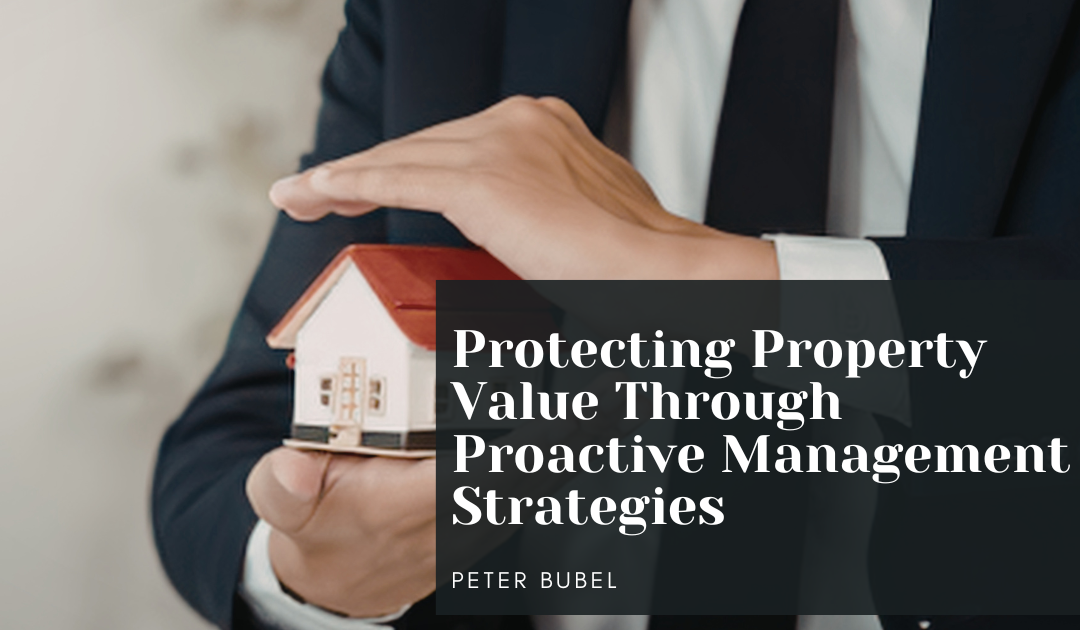
Real estate is one of the most valuable investments a person or business can make. Whether you own a single rental property or manage a large portfolio, maintaining and increasing property value should always be a top priority. While many property owners focus on addressing issues as they arise, a proactive property management approach can prevent costly problems, improve tenant satisfaction, and preserve long-term asset value. By anticipating challenges rather than reacting to them, property owners can protect their investments and achieve sustainable financial success.
Preventive Maintenance Preserves Property Condition
One of the most effective ways to protect property value is through regular preventive maintenance. Small maintenance issues can quickly escalate into major repairs if they are ignored. For example, a minor roof leak may seem insignificant at first, but over time it can lead to water damage, mold growth, and structural deterioration. Addressing such problems early helps property owners avoid expensive repairs and maintain the property’s overall condition.
A proactive maintenance plan should include routine inspections of critical systems such as plumbing, electrical wiring, HVAC units, roofing, and landscaping. Scheduling seasonal maintenance ensures that potential issues are identified and resolved before they become serious concerns. Regular upkeep also extends the lifespan of building components, reducing the need for premature replacements.
Beyond protecting the physical structure, preventive maintenance creates a positive impression on tenants. Well-maintained properties are more attractive, comfortable, and functional, which can contribute to higher occupancy rates and lower tenant turnover. When tenants see that management is committed to maintaining the property, they are more likely to take better care of their living or working environment.
Strong Tenant Relationships Support Long-Term Value
Tenants play a significant role in preserving property value. Properties with satisfied, long-term tenants often experience fewer vacancies, more consistent cash flow, and reduced marketing expenses. Proactive property management involves building strong relationships with tenants through clear communication, prompt responses, and reliable service.
Addressing tenant concerns quickly demonstrates professionalism and commitment. Whether it’s a maintenance request, a lease question, or a community issue, timely responses help establish trust and improve tenant satisfaction. Happy tenants are more likely to renew their leases, reducing the financial impact of turnover and vacancy periods.
Regular communication can also help property managers identify potential problems before they escalate. For instance, tenants may notice maintenance issues, security concerns, or operational inefficiencies before management does. Encouraging open communication creates opportunities to resolve issues early and maintain a positive living or working environment.
In addition, proactive tenant screening contributes to property protection. Carefully evaluating prospective tenants helps reduce the risk of late payments, property damage, and lease violations. Selecting responsible tenants from the beginning lays the foundation for a stable and successful rental operation.
Strategic Property Improvements Increase Market Competitiveness
Real estate markets constantly evolve, and properties that fail to keep up with changing expectations may lose value over time. Proactive property management includes evaluating opportunities for strategic upgrades and improvements that enhance both functionality and appeal.
Modern tenants often seek features such as energy-efficient appliances, updated interiors, smart technology, and attractive common areas. Investing in these improvements can increase tenant satisfaction while making the property more competitive in the marketplace. Even modest upgrades, such as fresh paint, improved lighting, or landscaping enhancements, can significantly impact a property’s appearance and perceived value.
Property managers should also monitor local market trends to identify opportunities for improvement. Understanding what tenants value most allows owners to make informed investment decisions that generate the greatest return. Rather than waiting for a property to become outdated, proactive upgrades help maintain relevance and attract quality tenants.
Financial planning is another important aspect of strategic property improvement. Establishing reserve funds for future repairs and renovations ensures that necessary projects can be completed without creating financial strain. Long-term planning helps property owners maintain asset quality while avoiding unexpected expenses.
Conclusion
Protecting property value requires more than simply responding to problems as they occur. A proactive property management strategy focuses on prevention, planning, and continuous improvement. Through regular maintenance, strong tenant relationships, and strategic property upgrades, owners can safeguard their investments while maximizing long-term returns.
As the real estate market becomes increasingly competitive, proactive management offers a clear advantage. By addressing issues early, enhancing tenant experiences, and investing in property improvements, owners can preserve asset value and position their properties for lasting success. Ultimately, proactive property management is not just about maintaining a building—it’s about protecting and growing the value of a valuable investment for years to come.