
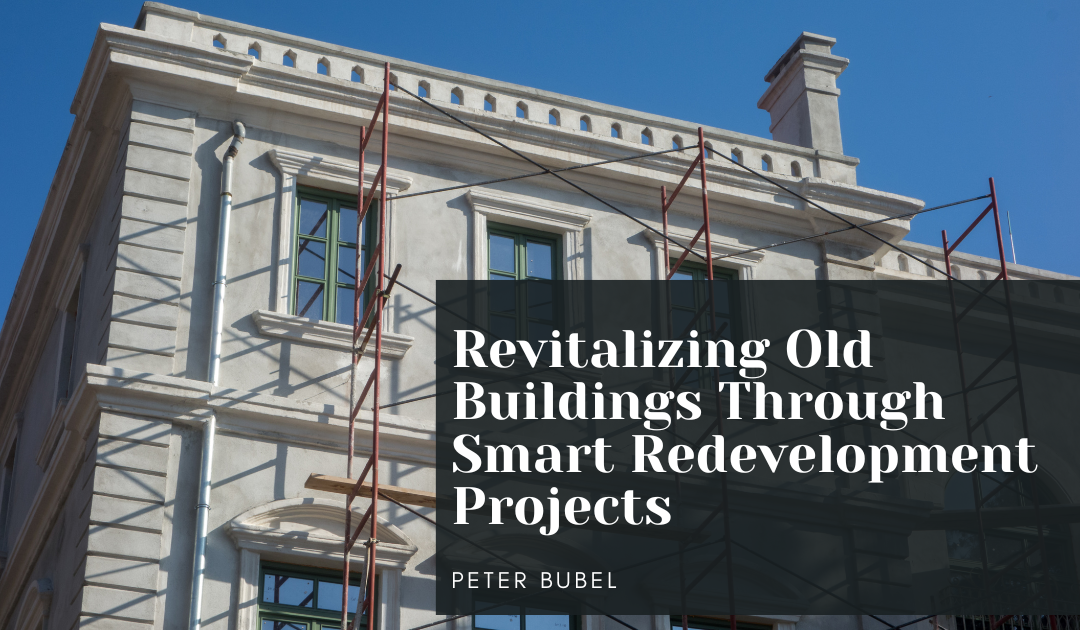
Cities around the world are filled with aging buildings that once served as hubs of activity but now sit underutilized or abandoned. Rather than demolishing these structures, smart redevelopment offers a sustainable and profitable way to bring them back to life. By combining thoughtful design, modern technology, and strategic planning, developers and investors can transform outdated properties into vibrant, income-generating assets.
The Value of Redevelopment Over Demolition
Tearing down an old building and starting from scratch might seem like the easiest solution, but it often comes with high costs—both financial and environmental. Redevelopment, on the other hand, allows investors to preserve the structural integrity and character of a property while upgrading it for modern use.
Older buildings often feature unique architectural elements that are difficult or expensive to replicate today. Exposed brick walls, high ceilings, and intricate detailing can become major selling points when properly restored. Retaining these features adds charm and distinction, helping properties stand out in competitive markets.
Economic Benefits for Investors
Redeveloping old buildings can be a highly profitable strategy. Acquisition costs for aging or neglected properties are typically lower than for new developments. With the right improvements, these properties can significantly increase in value and generate strong rental income.
In many areas, local governments offer tax incentives, grants, or zoning flexibility to encourage redevelopment projects. These incentives can help offset renovation costs and improve overall return on investment. Additionally, revitalized properties often attract higher-quality tenants who are willing to pay premium rents for updated spaces with character.
Sustainability and Environmental Impact
One of the strongest arguments for redevelopment is its positive environmental impact. Demolition contributes to construction waste and increases carbon emissions, while redevelopment minimizes these effects by reusing existing materials and structures.
Incorporating energy-efficient systems—such as modern insulation, LED lighting, and smart climate control—can further enhance sustainability. Not only does this reduce the building’s environmental footprint, but it also lowers operating costs, making the property more attractive to environmentally conscious tenants.
Adapting Spaces for Modern Needs
A key aspect of successful redevelopment is adaptability. Buildings that were once used for industrial or commercial purposes can be reimagined to meet today’s demands. For example, old warehouses can be converted into loft apartments, office spaces, or mixed-use developments that combine residential, retail, and recreational areas.
Flexibility is essential. Developers must consider current market trends and community needs when redesigning a space. Open floor plans, co-working areas, and smart home features are increasingly popular and can significantly boost a property’s appeal.
Strengthening Communities
Redevelopment projects don’t just benefit investors—they also play a vital role in revitalizing neighborhoods. Transforming neglected buildings can reduce urban blight, improve safety, and attract new businesses and residents to the area.
When done thoughtfully, redevelopment preserves the cultural and historical identity of a community while introducing modern conveniences. This balance helps maintain a sense of place and continuity, which is especially important in historic districts.
Challenges to Consider
While redevelopment offers many advantages, it’s not without challenges. Older buildings may have structural issues, outdated wiring, or hidden damage that requires significant investment to repair. Navigating zoning regulations and obtaining necessary permits can also be complex.
Careful planning, thorough inspections, and realistic budgeting are essential for overcoming these obstacles. Working with experienced architects, contractors, and property managers can help ensure the project stays on track and within budget.
The Role of Technology in Modern Redevelopment
Technology is playing an increasingly important role in redevelopment projects. Tools like 3D modeling and building information modeling (BIM) allow developers to visualize renovations before construction begins, reducing costly mistakes.
Smart building technologies—such as automated lighting, security systems, and energy monitoring—can be integrated into older structures, bringing them up to modern standards. These upgrades not only enhance tenant experience but also increase operational efficiency.
Conclusion
Revitalizing old buildings through smart redevelopment is more than just a trend—it’s a strategic approach to sustainable growth and long-term profitability. By preserving architectural character, reducing environmental impact, and adapting spaces to meet modern needs, investors can unlock hidden potential in aging properties.
With careful planning and a clear vision, redevelopment projects can transform neglected buildings into thriving spaces that benefit both investors and the communities they serve.